
Executive Director
Bamba Gaye
Head of Capacity Building & Training.

AMedRA envisions an Africa where researchers lead studies addressing the continent's health challenges, drawing on local knowledge and research capacity to improve health outcomes.

Our mission is to transform the landscape of medical research in Africa and support work that addresses health priorities across the continent.
We conduct in-depth assessments across African health systems to identify infrastructure gaps, clinical research needs, and strategic pathways for institutional capacity building.
We analyze needs and consult experts to develop plans that improve research quality, funding, and visibility.
Through specialized fellowships, biostatistics workshops, and mentorship, we train the next wave of African epidemiologists, data scientists, and clinical investigators.
We provide comprehensive editorial, statistical, and financial support to ensure African-led discoveries reach the world's premier peer-reviewed medical journals.
We advocate for balanced research funding, addressing the skyrocketing burden of non-communicable diseases (cardiovascular, diabetes, cancer) alongside persistent endemic infectious diseases.
We lead investigative studies on how changing climatic patterns, urban pollution, and extreme weather affect public health and vector dynamics across Sub-Saharan Africa.
We build sustainable knowledge exchange corridors between African research institutions and international centers of excellence across Europe, the Americas, and Asia.
Six areas of practical support for a stronger research ecosystem across Africa.
Partner with public, nonprofit, philanthropic, and private organizations to strengthen research facilities and access to tools.
Translate findings into policies and practices that can support effective health interventions.
Support research in digital health, medical devices, and diagnostic tools, including innovation and start-up support.
Build skills through workshops, symposiums, and mentorship in research methods, data analysis, and scientific writing.
Encourage cross-disciplinary and international knowledge exchange and joint research initiatives.
Help researchers navigate grants and other funding opportunities for their projects.
From intensive data science workshops in Dakar to keynote forums on non-communicable diseases, discover how our researchers and clinicians are transforming African medicine.

Held as part of the Joint Congress SFADE-DAR-D2A, the session focused on data-to-action strategies and practical tools to strengthen research impact.
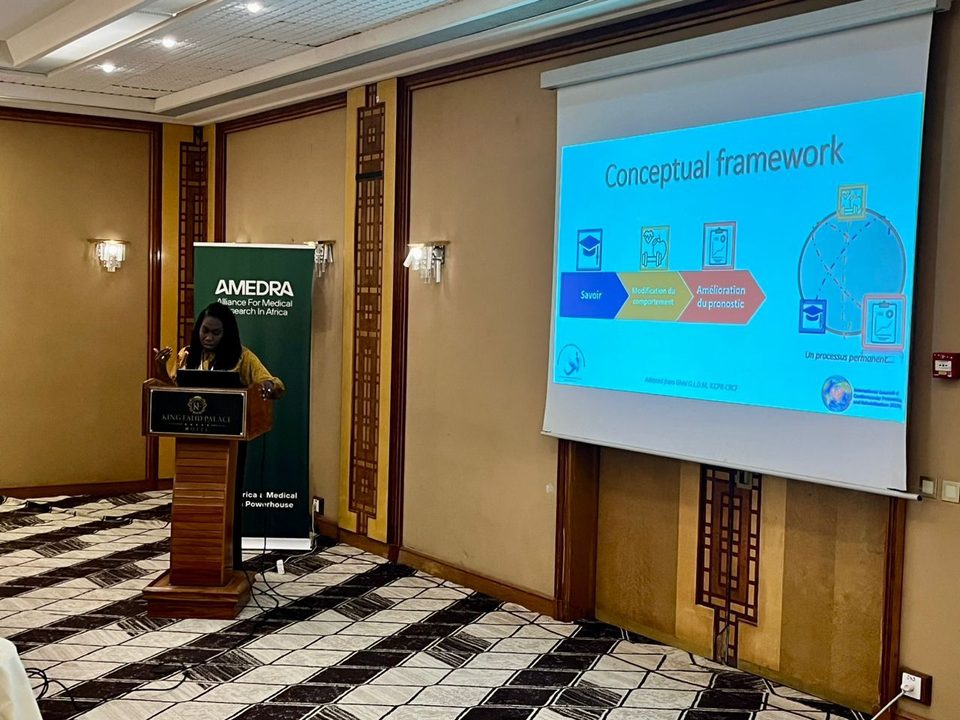
AMedRA organized an inaugural NCD research session during the 3rd Conference on the Prevention and Management of Non-Communicable Diseases.

Awarded to Ngone D. Gaye.







AMedRA champions African-led research, collaboration, stronger research capacity, and evidence that informs health practice and policy.
View Our 8 Research Clusters
“Perseverance and excellence are crucial in our field. Remember, every question you ask and every hypothesis you test helps build a foundation for transformative discoveries.”
Prof. Abdoulaye Samb, Honorary Dean, Faculty of Medicine, UCAD, Dakar
Whether you are an academic institution, funding body, or clinical researcher, join AMedRA in building sustainable scientific autonomy for Africa.
Get in Touch with Our TeamAlliance for Medical Research in Africa — Championing independent scientific leadership and clinical innovation across the African continent.
The Alliance for Medical Research in Africa (AMedRA) focuses on transforming medical research in Africa. We believe African researchers are best positioned to understand and address the continent's health challenges.
Our initiatives aim to build research capacity, promote innovative health solutions, and ensure that Africa's health research serves the needs of its people.
We collaborate with research institutions, support fellowships and grants, and host conferences to advance research and innovation.
We offer training in research methodology, data analysis, and scientific writing, alongside workshops and mentorship.
We encourage collaboration across disciplines and borders to support knowledge exchange and joint research initiatives.
We aim to translate research findings into health policies and practice through policy work, pilot projects, and evidence-based approaches.
AMedRA works to strengthen research capacity, develop talent, support collaboration, and translate research into practice.
Meet the AMedRA team

Building a self-sustaining, African-centric health research ecosystem through training, networks and mentorship.
Africa faces an urgent need to build a self-sustaining, African-centric health research ecosystem. Despite carrying a disproportionate share of the global disease burden, Africa produces only a fraction of the world’s scientific output. A major gap lies in the underrepresentation of African researchers, biostatisticians, and epidemiologists equipped with world-class training.
The Alliance for Medical Research in Africa (AMedRA) is addressing this gap by building capacity, creating networks, and mentoring emerging researchers. We believe that a robust and equitable global health research landscape begins with strong investments in African talent.
Hover over a card to read more about each fellow.Tap a card to read more about each fellow.
AMedRA is guided by a network of African and international health researchers, clinicians, and advisors.
The people who lead AMedRA's day-to-day work and programmes.
Head of Capacity Building & Training.


Fair representation, authorship equity, and ethical oversight.

Scholarships and Academic Development.
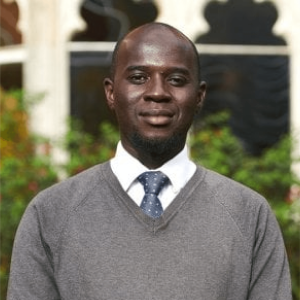
Research agenda, methodological integrity, and scientific oversight.

Data and Scientific Collaboration.

Researchers and clinicians who guide AMedRA's scientific direction.




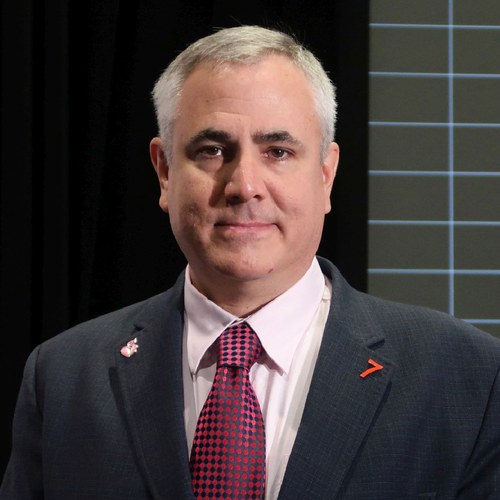








At the Alliance for Medical Research in Africa (AMedRA), our mission is driven by evidence-based discovery and actionable science. Below is a collection of peer-reviewed papers authored and co-authored by our network of researchers, published in leading international medical journals. These publications highlight our ongoing efforts to advance clinical knowledge, address key public health challenges and improve health outcomes across the continent.
Peer-reviewed studies from AMedRA researchers and partners across Africa and beyond. The newest papers come first, and each card opens the journal record.
Among adults admitted with chronic kidney disease to Sierra Leone's national tertiary hospital, about one in four died during their stay. Poorer kidney function, more protein in the urine and diabetes were linked to higher odds of death, while receiving dialysis was linked to lower odds.
Read the paper →This review pooled five studies on whether artificial intelligence applied to electrocardiograms can detect left ventricular diastolic dysfunction, an early precursor to a form of heart failure. It found good diagnostic performance, but concluded the evidence is not yet enough to support routine clinical use.
Read the paper →Using health surveys from 76 countries, this study measured gaps between richer and poorer households in awareness, treatment and control of high blood pressure, diabetes and high cholesterol. Wealth gaps widened at each step of care and were largest for disease control, though patterns differed markedly between regions.
Read the paper →A Lancet commentary on acute heart failure in Africa, where the causes are changing but outcomes are not.
Read the paper →This study adapted the Systematic Coronary Risk Evaluation 2 (SCORE2) models to estimate 10-year cardiovascular disease risk for people in Latin America and the Caribbean without existing cardiovascular disease or diabetes. Estimated risk varied several-fold across four risk regions, and the models help identify people at high risk.
Read the paper →This study estimated deaths and ill health from heart disease and stroke linked to high low-density lipoprotein (LDL) cholesterol worldwide from 1990 to 2023. High LDL cholesterol accounted for 3.6 million deaths in 2023, and the absolute burden has risen since 1990 because of population growth and ageing.
Read the paper →This study of 3520 people in cardiac rehabilitation programmes in low-resource settings across 11 countries examined how financial strain, age, education and employment relate to completion and recovery. Completion was more common among those without financial strain, with more than 12 years of education, or in employment.
Read the paper →This modelling study estimated what glucagon-like peptide-1 (GLP-1) receptor agonist drugs might do for people with a high body mass index and raised cardiovascular risk but no established cardiovascular disease. Emulated treatment lowered projected 10-year cardiovascular disease incidence from 13.82% to 10.83%, supporting the case for future randomised studies.
Read the paper →This analysis of Global Burden of Disease 2023 estimates tracked stroke, ischaemic heart disease and hypertensive heart disease in Sierra Leone from 1990 to 2023. The absolute burden of all three rose, mostly because of population growth, and high systolic blood pressure was the leading risk factor in 2023.
Read the paper →This scoping review of 40 sources maps health-system barriers to cardiovascular care in Sierra Leone. Facility readiness averaged 16.8% for cardiovascular care against 41% for HIV services, and diagnostic gaps, high out-of-pocket costs and medicine stockouts undermined care.
Read the paper →This systematic review measured African representation in randomised controlled trials published from 2019 to 2024 in five leading general medical journals and three leading cardiovascular journals. Only 3.9% of trials in the medical journals and 0.6% in the cardiovascular journals were conducted exclusively in Africa.
Read the paper →An article in the European Heart Journal on the ERADICATE Consortium and the goal of eliminating rheumatic heart disease in Africa and globally.
Read the paper →Using Global Burden of Disease 2023 estimates, this study describes trends in Alzheimer's disease and other dementias in Sierra Leone from 1990 to 2023. Estimated dementia deaths rose from 188 to 474, with 62% of the increase attributed to changes in age-specific death rates.
Read the paper →This review argues that cardiovascular disease, a leading cause of premature death across Africa, is outpacing health systems built mainly for acute infections. It says embedding prevention and treatment in national universal health coverage strategies, with financing and services designed for chronic care, could prevent millions of avoidable deaths.
Read the paper →A Journal of the American College of Cardiology article on cardiovascular disease in sub-Saharan Africa and the cost of being uncounted.
Read the paper →An editorial in the journal Heart on mobile health for cardiovascular care in Africa: its progress, its gaps and the missing chatbots.
Read the paper →This systematic review pooled 78 studies of high blood pressure (hypertension) among Africans, published between 2002 and 2023 and drawn from 23 countries. Overall, 28.5 in every 100 people had hypertension, and the rate rose with age and was higher in urban than rural residents.
Read the paper →The paper highlights how rheumatic valve disease may accelerate cardiac ageing, adding to Africa's cardiovascular burden. It calls for Africa-led mechanistic and translational research on this long-neglected problem.
Read the paper →This collaborative paper notes that cardiovascular health in Africa remains underfunded and under-researched despite a growing burden. It presents the Africa-Europe Clusters of Research Excellence as a way to build equitable partnerships and solutions rooted in African realities.
Read the paper →This study tracked trends by sex in tobacco use, obesity, diabetes and high blood pressure in Senegal from 1975 to 2021, using World Health Organization data. Tobacco use declined, while obesity, diabetes and high blood pressure increased, pointing to a need for strategies to curb these risk factors.
Read the paper →This study of over two million people in 39 countries estimated how five risk factors at age 50, such as high blood pressure and smoking, affect lifetime risk of cardiovascular disease and death. Having none was linked to over a decade more life expectancy than having all five.
Read the paper →This review describes the rapidly rising burden of high blood pressure in sub-Saharan Africa and the barriers to detecting, treating and controlling it. It calls for a coordinated approach across sectors that combines prevention, wider screening and treatment access, task sharing, and research tailored to local populations.
Read the paper →This long-term study examined whether changes in cardiovascular health in midlife affect later cardiovascular disease and death in people with diabetes. Improved cardiovascular health was linked to lower risk, but risk stayed higher than in people without diabetes who kept favourable cardiovascular health.
Read the paper →A commentary in The Lancet Global Health on strategies for more equitable engagement for African researchers.
Read the paper →This scientific statement gives an overview of cardiovascular health in Africa and the socioeconomic, cultural, lifestyle and environmental challenges to putting prevention strategies into practice. It stresses adapting strategies to the African context and recommends promoting cardiovascular health through partnerships and community involvement.
Read the paper →African researchers face barriers to sharing their work globally, including high open-access publication fees and limited access to published papers. This paper focuses on the difficulty of attending international conferences in high-income countries, citing visa problems and prohibitive travel costs, and proposes practical solutions.
Read the paper →A commentary in The Lancet Global Health on addressing micronutrient inadequacies worldwide and making global data more representative.
Read the paper →This study used the Paris Prospective Study I, the Whitehall I Study and the Framingham Heart Study to examine whether changes in resting heart rate over years are linked to lifespan. Men and women whose resting heart rate rose over time had a higher risk of death.
Read the paper →Some people with optimal Life's Simple 7 cardiovascular health scores still develop cardiovascular disease, while others with poor scores do not, which is termed the cardiovascular health paradox. This review explores explanations, such as inaccurate self-reported lifestyle habits and lifetime exposure to risk factors, and proposes personalised prevention.
Read the paper →Research topics that address the health challenges facing Africa.
Our research spans cardiovascular conditions, disease prevention, reliable health data, artificial intelligence in diagnosis and training, and health economics.

Understanding and closing the life-expectancy gap between Africa and the rest of the world is a research priority for AMedRA.
This topic explores how genetic and genomic data can improve understanding and treatment of diseases prevalent in Africa.
This work focuses on social and environmental conditions that can help prevent non-communicable diseases from their earliest stages.
Better health data collection, management, and analysis are essential for healthcare planning and policy-making.
This topic explores how artificial intelligence could improve access to medical diagnosis and training for healthcare professionals, including in underserved areas.
AMedRA's research interests include the cost-effectiveness of health interventions, funding mechanisms, and policies.
This topic focuses on screening, early diagnosis, effective treatment, and public health awareness to reduce rheumatic heart disease.
We investigate prevalence, risk factors, and outcomes to improve early detection and management.
The latest from AMedRA: events, announcements, and research updates from across the network.
The session focused on data-to-action strategies for effective health interventions and practical tools to strengthen research impact.
AMedRA organized an inaugural research session during the conference on the prevention and management of non-communicable diseases.
Appointments, partnerships and recognitions from across the AMedRA network.

Dr. Ibrahima Socé Fall was appointed Director General of Institut Pasteur de Dakar, effective July 1, 2025.
Read the Institut Pasteur announcement →AMedRA and the University of Pittsburgh are collaborating on cardiovascular disease and diabetes research in Senegal.
Dr. Ibrahima Socé Fall received the first AMCARE Award in 2025, and Ngone D. Gaye received the 2024 Paul Dudley White International Scholar Award.

A University of Oxford collaboration designed to give 25 young African medical researchers and specialists one year of training, including grant writing and research-funding skills.
Snapshots from AMedRA's research, training, and collaboration activities.







AMedRA publishes a newsletter with research highlights, partnerships, recognitions and training news from across the network. You can read previous issues below. If you would like to receive new issues as they become available, please sign up here.
Newsletter – September 2025Leadership news from Institut Pasteur de Dakar, recent publications, the Oxford seminar, and international partnerships.Newsletter – April 2025The first AMCARE award, the NCD congress in Dakar, D2A training, and recognition for AMedRA researchers. Grant Africa training brief (PDF)Programme brief for a one-year University of Oxford training in grant writing, study design and mentorship for 25 young African medical researchers.
Leave your email address and we will add you to the list for AMedRA research news, training announcements and event invitations.
Leadership news, recent publications from AMedRA researchers, and partnerships across Africa, Europe and the United States.
AMedRA warmly congratulates Dr. Ibrahima Socé Fall on his appointment as the new Director General of the Institut Pasteur de Dakar, effective July 1, 2025. A globally respected leader in infectious disease control and global health strategy, Dr. Fall brings decades of experience from the World Health Organization and beyond.
His leadership promises to strengthen African-led research, public health innovation, and scientific diplomacy.
AMedRA is proud to share two significant publications advancing the understanding of cardiovascular health in Africa.
The study reports that hypertension is surging in sub-Saharan Africa. Despite this rise, detection, treatment, and control rates remain worryingly low. A major reason is the over-reliance on data from African diaspora populations rather than native sub-Saharan African communities.
“We urgently need contextualized mechanistic research and coordinated, multisectoral strategies, from better food policies and health education to tailored treatment approaches and task shifting.”
Authors: Modou Jobe, Serigne Mor Beye, Ngone Diaba Gaye, Mame Madjiguene Ka, Pablo Perel, Alexander D. Perkins, Adama Kane, Andrew M. Prentice, Dike B. Ojji, Lamin E.S. Jaiteh, Anthony O. Etyang, Anoop S.V. Shah, and Bamba Gaye.
Read the Circulation Research paper →
This study examines trends in the age-standardised prevalence of cardiometabolic risk factors in Senegal between 1975 and 2021, disaggregated by sex, using data from the WHO Inequality Data Repository. It shows that tobacco use has declined, while overweight, obesity and diabetes have nearly doubled. Hypertension rose over the years, peaking in both sexes before declining in men but remaining stable in women. The study highlights the urgent need for targeted, culturally sensitive public health strategies in Senegal.
Authors: Mame Madjiguene Ka, Ngoné Diaba Gaye, John Tukakira, Damaris Kyem, Tiffany Gary-Webb, Lilian Sattler, Modou Jobe, and Bamba Gaye.
European Heart Journal, July 2025
Rheumatic valve disease and accelerated cardiac aging in Africa. The study highlights how rheumatic valve disease may accelerate cardiac aging, worsening Africa’s cardiovascular burden. It calls for urgent, Africa-led mechanistic and translational research to address this long-neglected health challenge.
Authors: Maurizio Pesce, Pasquale Maffia, and Bamba Gaye.
European Heart Journal, August 2025
Tackling cardiovascular diseases in sub-Saharan Africa: the Africa-Europe CoRE in non-communicable disease and multimorbidity. Cardiovascular disease has become the number one killer in Africa, striking earlier and with greater severity. This collaborative publication emphasizes that despite this urgent crisis, cardiovascular health in Africa remains underfunded and under-researched. Initiatives like the Africa-Europe Clusters of Research Excellence are building equitable partnerships to develop solutions rooted in African realities.
“The increasing burden of CVD in Africa highlights the urgent need for sustained and equitable international collaboration.”
Authors: Pasquale Maffia, Bamba Gaye, and Frederick Bukachi.
Cardiovascular Research, July 2025
Prevalence of hypertension in Africa in the last two decades: systematic review and meta-analysis. Hypertension affects nearly 1 in 3 adults in Africa, with higher rates in urban areas and older populations. The study calls for stronger screening and treatment strategies to curb this growing epidemic.
Authors: Paul Olowoyo, Akinkunmi Paul Okekunle, Osahon Jeffery Asowata, Segun Atolani, Moustafa I. Morsy, Elisabetta Caiazzo, Bamba Gaye, David Danladi Kadan, Dario Bruzzese, Tomasz J. Guzik, Pasquale Maffia, and Mayowa O. Owolabi.

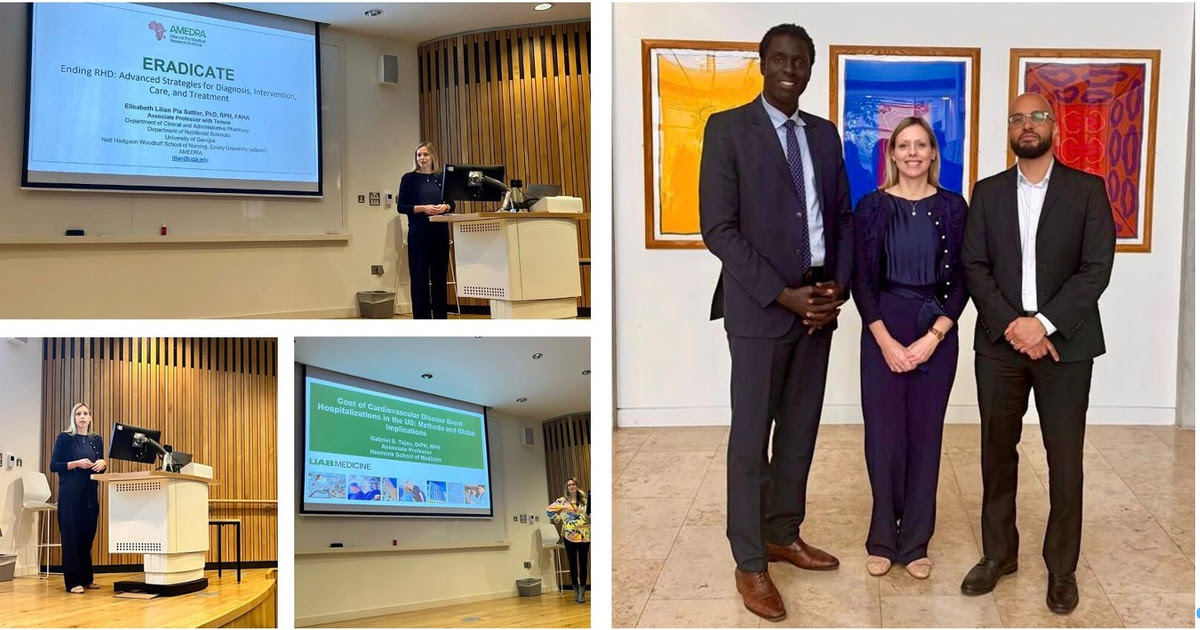
On June 15, AMedRA was proudly represented by Prof. Gabriel Tajeu, Prof. Lillian Sattler, and Prof. Bamba Gaye at the University of Oxford Nuffield Department of Medicine seminar titled “Global Data, Local Solutions: Improving Cardiometabolic Health in Africa.”
They spotlighted two major AMedRA-led initiatives:
Also emphasized was the importance of consolidating African research efforts and bridging linguistic divides, especially for French-speaking scholars.
“We’re just getting started. It’s been ten years of friendship, collaboration, shared fieldwork, and growing together.” Prof. Bamba Gaye
Special thanks to the Africa Oxford Initiative, Kevin Marsh, Sarah Lewington, Hubert Lam, and all colleagues whose vision and energy continue to inspire hope.

We are pleased to share that Daouda Seck, MD, MSc, MPH, one of AMedRA’s earliest members, has been appointed Director of the Centre National de Transfusion Sanguine (CNTS) in Senegal. A medical doctor with a specialized Master’s in public health and expertise in project management, Dr. Seck assumed leadership of CNTS on August 4, 2025.
CNTS is the national reference institution responsible for implementing the government’s policy on blood transfusion. Its core missions include the collection, processing, and distribution of blood, the supervision of regional blood banks, and the care of patients with blood disorders. It also provides biological analysis services, operates a clinical hematology unit, and plays a key role in training and research in the field of blood transfusion.
“Among my strategic priorities, I place strong emphasis on advancing research. Building on my active involvement with AMedRA, I intend to leverage this experience to strengthen and expand research within the CNTS. The promotion of voluntary blood donation, which is the Center’s primary mission, remains my highest priority, alongside reinforcing and positioning the laboratory as a regional reference in West Africa.” Dr. Daouda Seck
AMedRA wishes him a rewarding and impactful tenure.
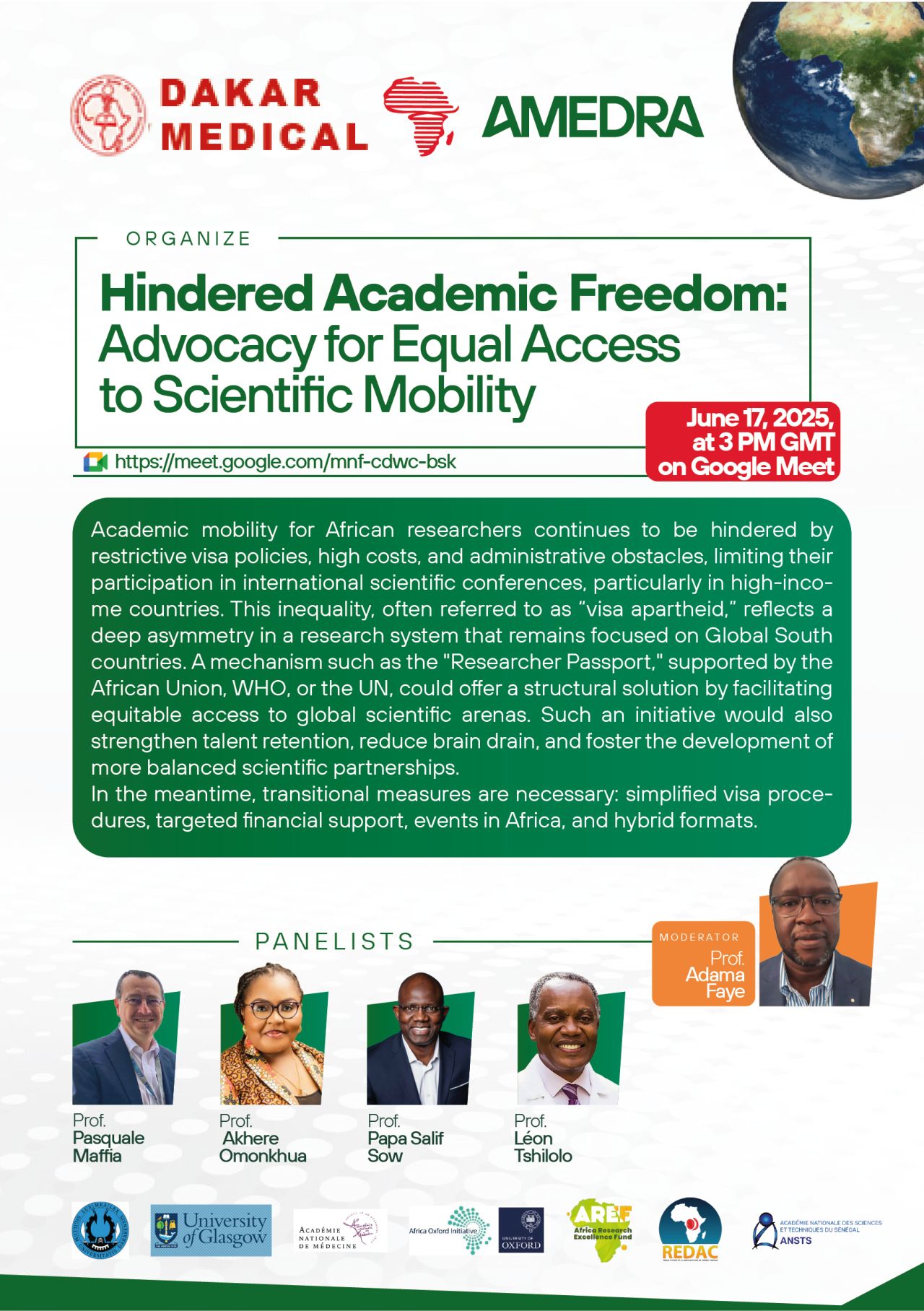
On June 17, in partnership with Dakar Medical, AMedRA hosted a webinar addressing the significant visa barriers faced by African researchers trying to participate in global scientific events. These restrictions contribute to exclusion and brain drain.
Key proposal: a continent-wide, African Union-backed Researcher Passport to ease travel and collaboration for African scientists.
AMedRA continues to advocate for policies enabling African researchers to fully engage in global science.

In late June, the University Times (Pitt) featured AMedRA’s growing partnership with the University of Pittsburgh: “Public Health professor channels Senegal trips into collaborative disease research.”
Prof. Tiffany Gary-Webb, Associate Director of the Pitt Center for African Studies, returned from a follow-up visit to Senegal in early June. Her work with AMedRA cardiologists aims to advance research on cardiovascular disease and diabetes in Senegal. This partnership continues to expand the impact of AMedRA’s mission to drive transformative health solutions rooted in African realities.
Advancing medical research across Africa: awards, the NCD congress in Dakar, training, and recognition for AMedRA researchers.
As we step into 2025, AMedRA extends warm New Year wishes to all our supporters and collaborators. Thank you for your unwavering dedication to advancing medical research across Africa. Together, let us continue driving impactful change in the year ahead.
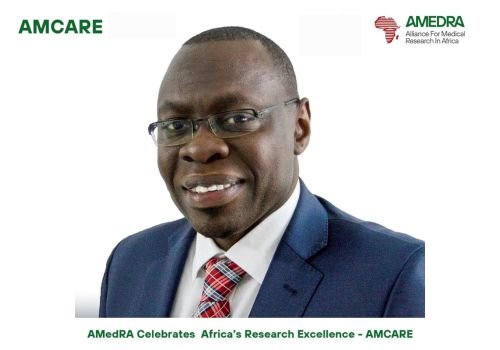
Through our AMCARE (AMedRA Celebrates Africa’s Research Excellence) initiative, we honor Africa’s brightest minds in medical research. We are thrilled to announce Dr. Ibrahima Socé Fall as the first recipient of the AMCARE Award for 2025.
Dr. Socé Fall is a global health leader whose pioneering work in public health and infectious disease epidemiology has transformed health outcomes worldwide. Currently the Director of the Department of Control of Neglected Tropical Diseases at WHO, his career highlights include:
With over 30 years of experience, Dr. Socé Fall’s scholarly contributions include 100+ publications, alongside his academic accomplishments in public health and sustainable development.
AMCARE 2025 celebrates his achievements and highlights the transformative power of African medical research.
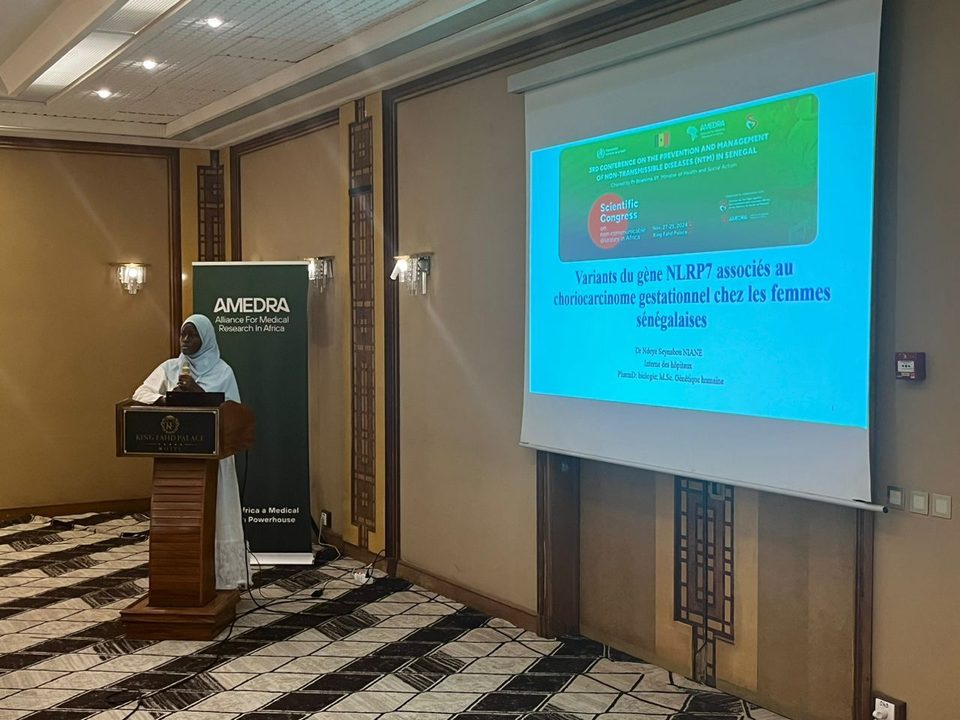
AMedRA organized the Inaugural Scientific Session on NCD Research as part of the 3rd Conference on the Prevention and Management of Non-Communicable Diseases held from November 27–29, 2024, at the King Fahd Palace in Dakar, Senegal.
In collaboration with Senegal’s Ministry of Health Division for the Fight Against Non-Communicable Diseases (NCDs), this session focused on:
This event underscored the importance of research-driven policies to address Africa’s rising NCD burden.
As part of the Joint Congress SFADE (Société Francophone Africaine de Diabétologie et d'Endocrinologie) – DAR – D2A, AMedRA hosted the D2A Training Session on January 9, 2025, at the Radisson Blu Hotel, Dakar, Senegal.
The session emphasized the importance of data-to-action strategies for effective health interventions, equipping participants with practical tools to enhance their research impact.
Congratulations to Ngone D. Gaye, recipient of the 2024 Paul Dudley White International Scholar Award from the American Heart Association. Her exceptional work was celebrated at the AHA Scientific Sessions in Chicago.
AMedRA is proud to highlight research published in the New England Journal of Medicine (NEJM). This study, involving over 2 million participants across 39 countries, underscores the impact of preventive health measures. Key contributors from AMedRA (Dr. Elisabeth Lilian Pia Sattler, Modou Jobe, and Thiess Lorenz) continue to drive African representation in global research. Their work shows that maintaining healthy habits at age 50 can significantly extend life and delay cardiovascular disease.
We congratulate Dr. Carissa Baker-Smith on her promotion to Director of Research at the Nemours Cardiac Center. AMedRA appreciates her contributions and looks forward to continued collaboration.
At the American Heart Association (AHA) EPI | Lifestyle Scientific Sessions, Dr. Bamba Gaye, representing AMedRA, co-moderated a session on global cardiovascular health with Dr. Laurence J. Appel. Discussions focused on the urgent need for real-world implementation of research findings in Africa.
AMedRA celebrates Dr. Bamba Gaye's recognition as the Best Innovation Lab Winner at the Yale Africa Innovation Symposium. This event highlighted Africa's potential to lead in innovation and scientific collaboration.
Our mentorship initiative, AMedRA's 100, is gaining momentum. By matching top researchers and scientists with young African scholars, this programme is bridging knowledge gaps and fostering the next generation of medical pioneers. If you're interested in becoming a mentor or mentee, reach out to us.
Registration opened for the International Scientific Conference on NCDs, which took place on August 25–27, 2025, in Gulu City, Uganda.
Connect with AMedRA for research collaborations, fellowship opportunities, institutional partnerships, and general inquiries.
We welcome inquiries from academic institutions, health ministries, non-governmental organizations, philanthropies, and medical researchers across the world.
Please complete the form below, and our team will get back to you promptly.